Monthly Archives: April 2026

April Garden Checklist: Spring Awakening

April feels like a promise kept. The long, gray slumber of winter is finally breaking, replaced by the scent of thawing earth and the sight of green shoots pushing bravely through the soil. It is a time of transition, where we pivot from the quiet of winter into the vibrant momentum of the growing season.

This month is all about balance—nurturing the new growth while preparing for the abundance of summer. Whether you are eager to get your hands dirty or simply planning your landscape’s comeback, use this guide to breathe life back into your garden.

  • Heal Winter Wounds
    Take a walk through your garden and inspect your trees, shrubs, and perennials. Winter can be harsh, leaving behind broken branches or frost-nipped stems. Gently prune away this damage to prevent disease and clear the path for healthy new growth. Think of it as a little spring cleaning for your plants.
  • Feed Your Hungry Plants
    As your garden wakes up, it will be hungry. Apply a balanced, slow-release fertilizer to your shrubs and perennials to give them the energy they need for the season ahead. For your vegetable patch, mixing in compost or a starter fertilizer now will give your seedlings a strong foundation. Just be careful not to overdo it; follow the label to keep your plants happy.
  • Sow Your Salad Greens
    One of the joys of April is planting cool-weather crops. The soil is cool but workable, making it perfect for direct-sowing peas, spinach, lettuce, and radishes. If the ground is still a bit soggy from spring rains, wait a few days until it dries out slightly to prevent seed rot.
  • Divide and Conquer
    Perennials like hostas, daylilies, ornamental grasses, salvia, and catmint are incredibly generous, often growing larger than their space allows. April is the perfect time to dig them up and divide them before they get too big. It is a great way to invigorate the plants and get “free” additions for other parts of your garden.
  • Master the Mulch
    Weeds are opportunistic, and they love bare soil. Get ahead of them by replenishing mulch around your garden beds and trees. Not only does this suppress weeds, but it also locks in moisture and keeps the soil temperature stable for delicate roots. A little hand-weeding now saves hours of work later in the summer.
  • Welcome the Early Pollinators
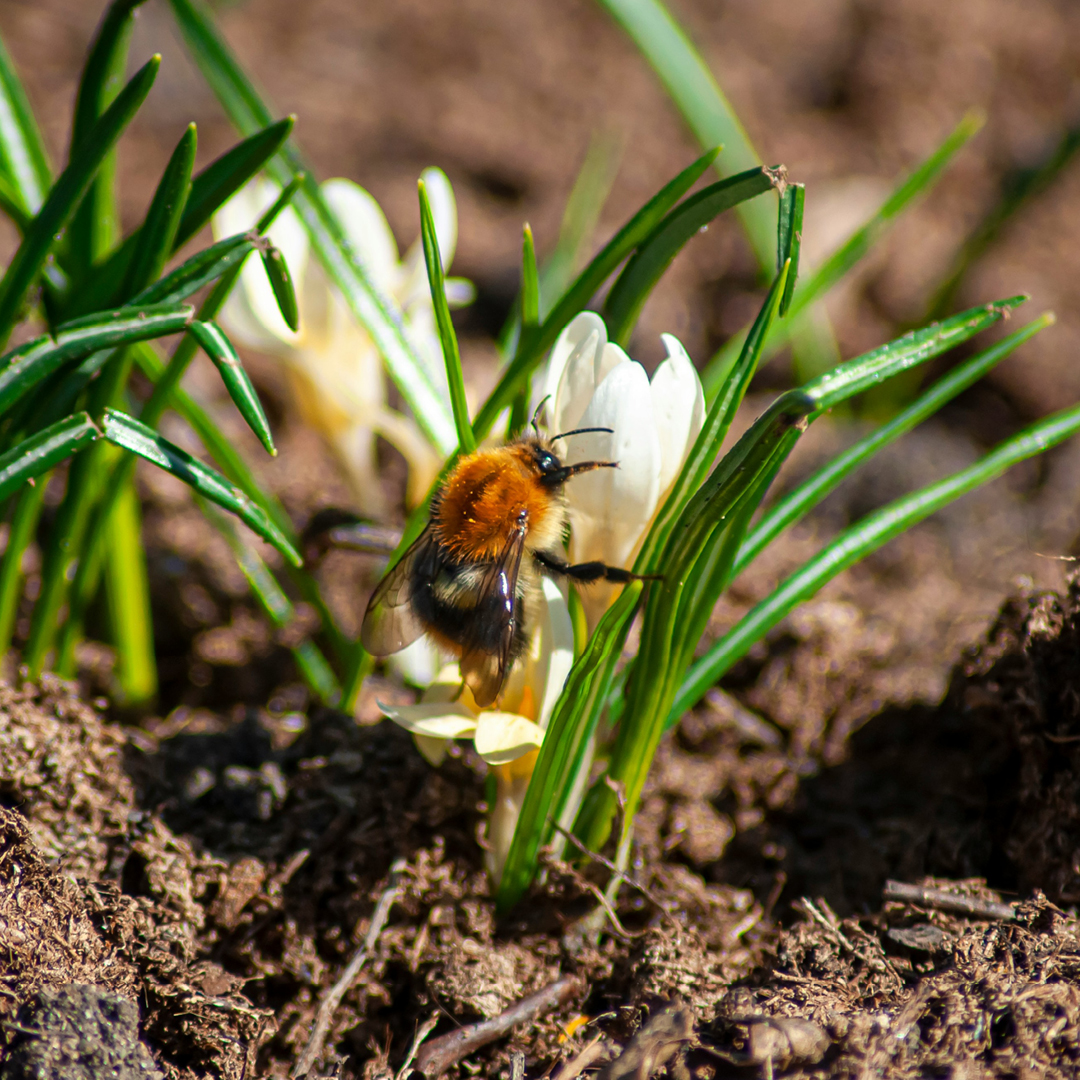
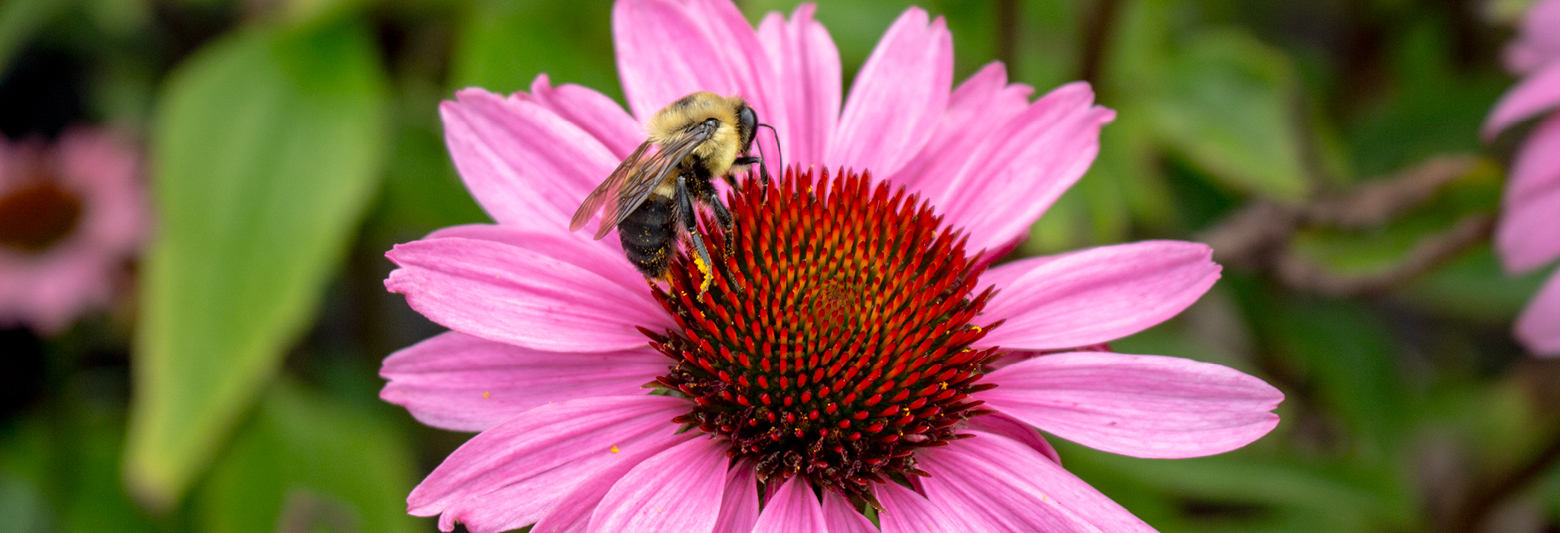
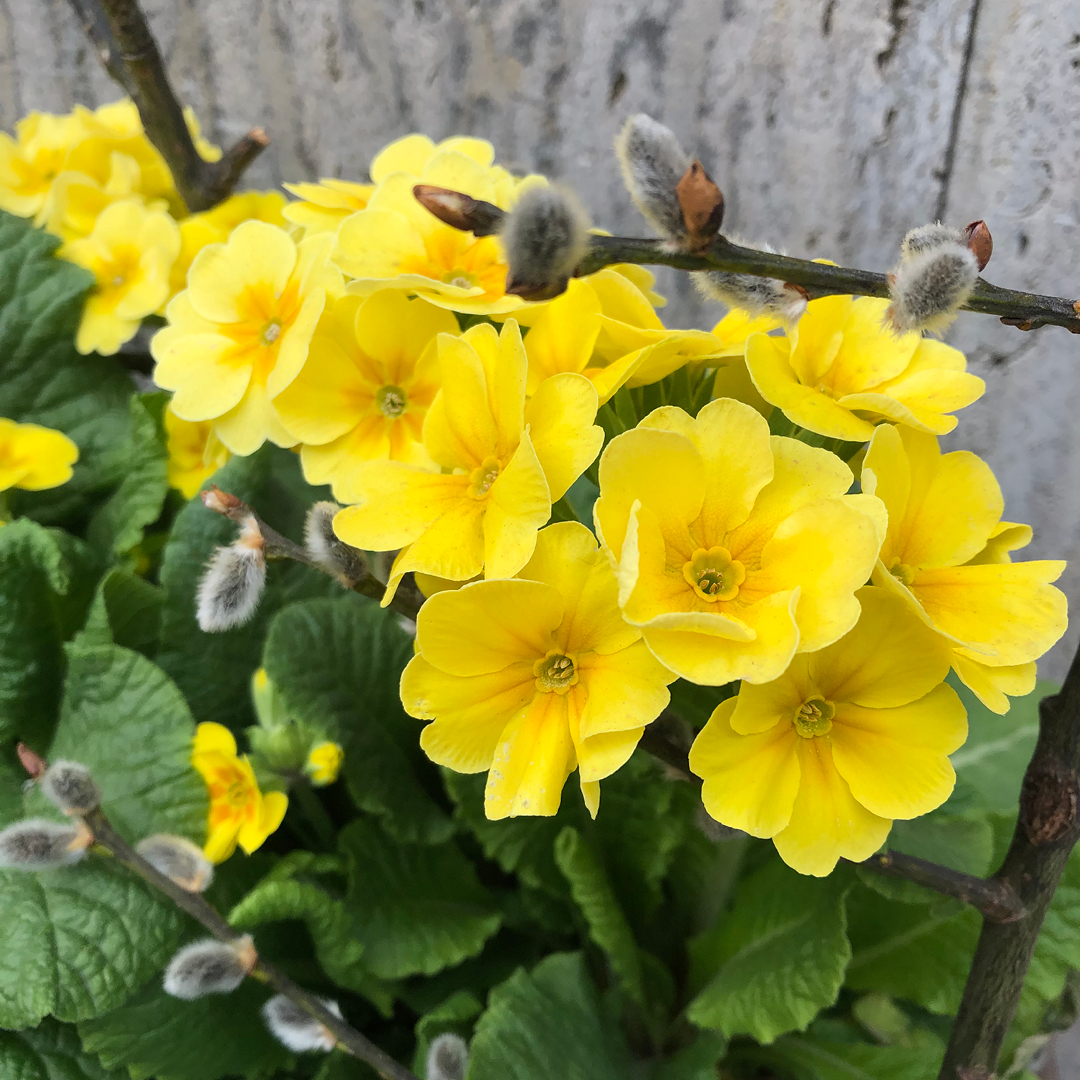
    As the temperature climbs, you might spot bumblebees and solitary bees looking for their first meal. Help them out by planting early-blooming favorites such as crocuses, hellebores, and primroses. They provide essential nectar when food sources are scarce.
  • Prune with Purpose
    Continue to shape your summer-blooming shrubs to encourage better air circulation and stronger stems. However, hold off on pruning spring favorites like lilacs or forsythia until after they have finished blooming, or you risk cutting off this year’s flowers.
  • Acclimate Your Transplants
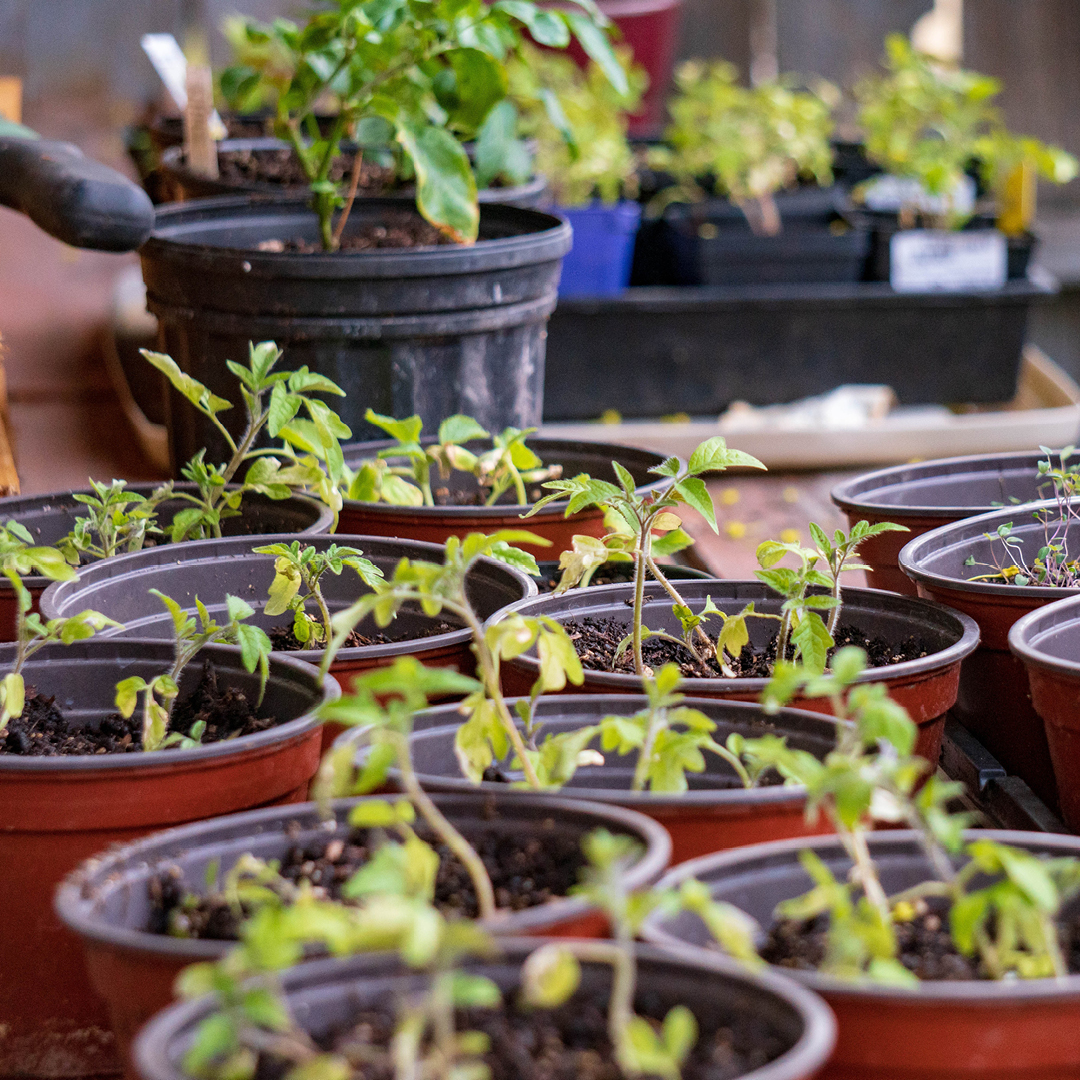
    If you started tomatoes or peppers indoors, they aren’t quite ready for the great outdoors just yet. Begin the process of “hardening off” by placing them outside in a sheltered spot for a few hours each day, gradually increasing their exposure. This toughens them up so they don’t go into shock when they are finally planted.
  • Check Your Water Systems
    Before the heat sets in, inspect your hoses, sprinklers, and rain barrels. Winter freezes can cause cracks or leaks that you don’t want to discover during a dry spell. Ensure everything is watertight and ready to go.
  • Visit Hilltop Nursery
    Sometimes you need the right tool—or just a bit of inspiration—to get started. Stop by to explore our selection of seeds, soil amendments, and seasonal plants. Our team is here to guide you on timing and selection to ensure your garden thrives this season.

April sets the tone for everything that follows. By tackling these tasks now, you are building a foundation for a landscape that is healthy, resilient, and bursting with life.

April Garden Essentials

April Garden Essentials

April Garden Essentials

Woodland Edge Garden Ideas

Creating a native woodland edge garden is a rewarding way to add beauty, biodiversity, and year-round interest to your landscape. Woodland edge gardens mimic the transitional zone between forest and open areas, providing unique habitat for pollinators, birds, and small wildlife while offering gardeners a naturally layered and dynamic planting scheme. By selecting native species suited to local soil and light conditions, you can cultivate a low-maintenance garden that thrives with minimal intervention.

Understanding the Woodland Edge

A woodland edge is defined by the gradual transition from shaded forest understory to sunny meadow or lawn. This zone often experiences dappled sunlight, partial shade, and moderate moisture, making it ideal for a mix of trees, shrubs, and perennials. Native plants in this zone are adapted to these light and soil conditions, and their layered growth habits—tall trees, medium-size shrubs, and low-growing groundcovers—create a visually appealing, ecologically functional environment.

Choosing the Right Trees

Trees form the backbone of a woodland edge garden, providing structure, shade, and seasonal interest. Consider these native options:

  • Eastern Redbud (Cercis canadensis): Early spring blossoms, moderate size, and adaptable to partial shade.
  • Serviceberry (Amelanchier spp.): Multi-season appeal with spring flowers, edible summer berries, and stunning fall foliage.
  • Sugar Maple (Acer saccharum): Provides a rich canopy for shade-loving understory plants and brilliant autumn color.

Planting a mix of trees that vary in bloom time, height, and texture will create visual depth and year-round interest while supporting wildlife diversity.

Selecting Shrubs for Layered Interest

Shrubs add mid-layer structure, attract pollinators, and provide food for birds. Excellent native choices include:

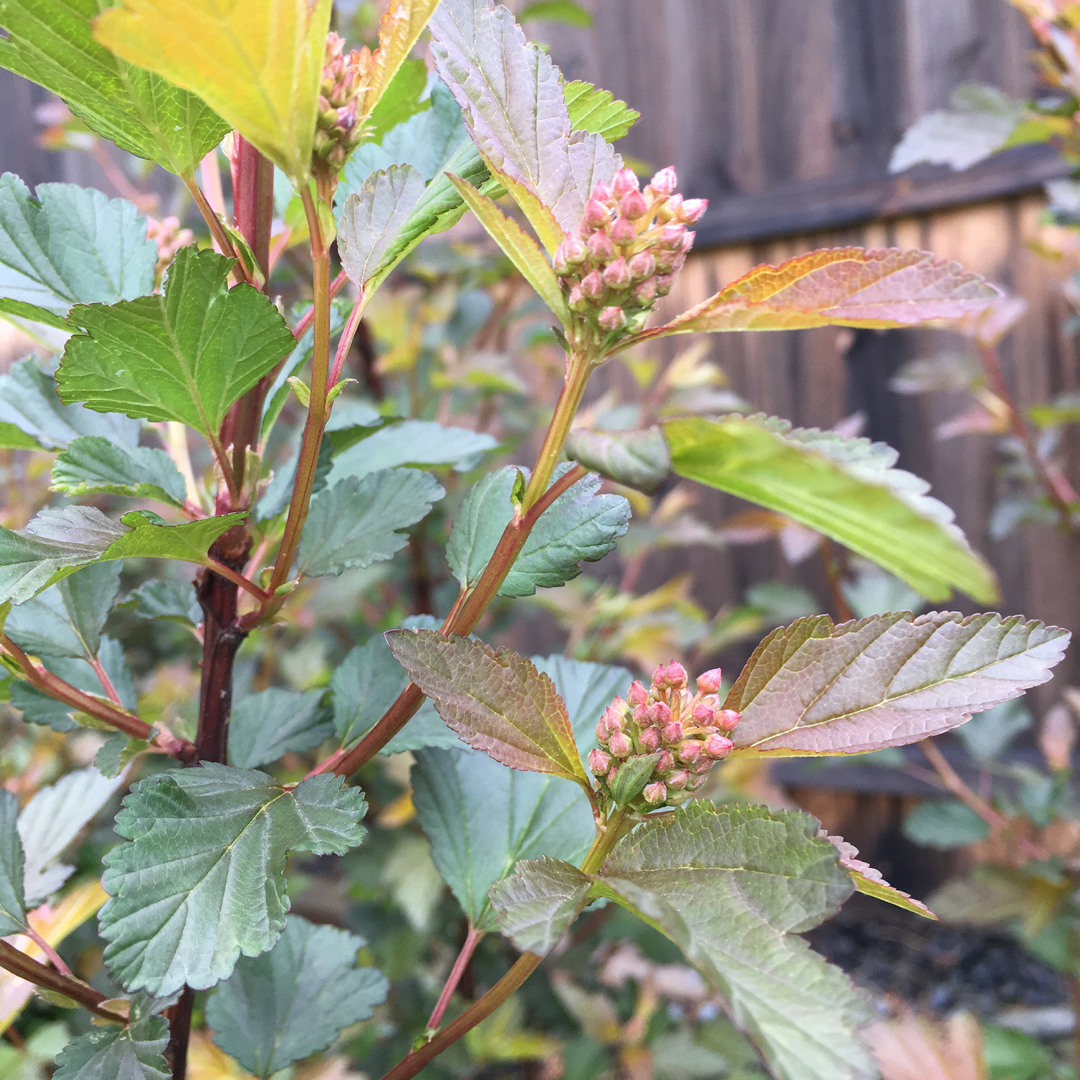
  • Ninebark (Physocarpus opulifolius): Multi-stemmed shrub with peeling bark, spring blooms, and summer seed heads.
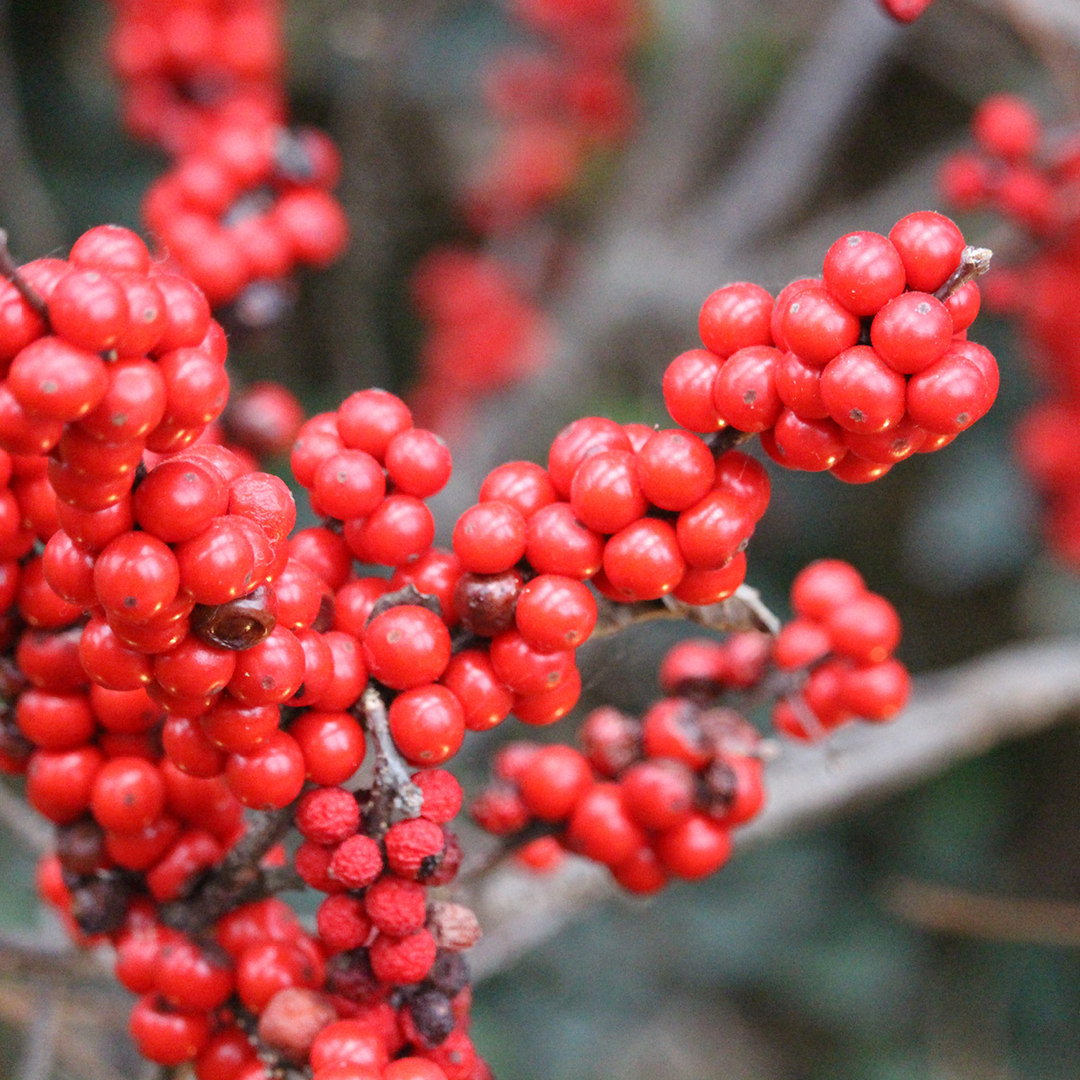
  • Winterberry (Ilex verticillata): Deciduous holly with bright red berries that persist through winter.
  • Spicebush (Lindera benzoin): Fragrant leaves when crushed, yellow spring flowers, and berries that attract birds.

Shrubs planted in clusters or drifts help create a naturalistic edge, softening the transition between trees and lower-growing plants.

Groundcovers and Perennials

Low-growing native plants fill the understory, suppress weeds, and provide early-season blooms for pollinators. Consider these:

  • Wild Ginger (Asarum canadense): Dense, spreading mat that thrives in shade and helps control erosion.
  • Foamflower (Tiarella cordifolia): Attractive spring blooms and spreads to form a lush groundcover.
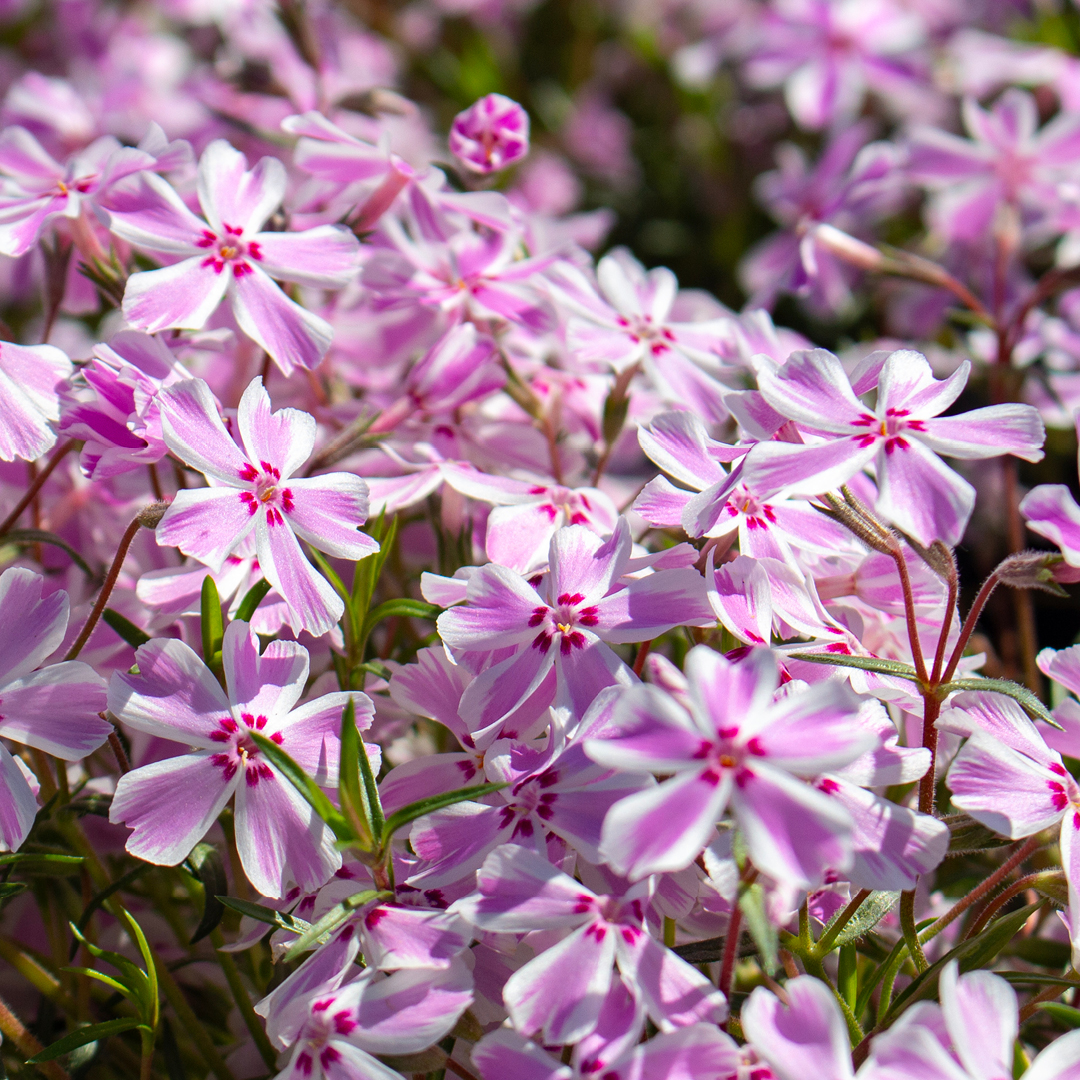
  • Creeping Phlox (Phlox subulata): Sun-tolerant option that adds vibrant color along edges.
  • Solomon’s Seal (Polygonatum biflorum): Graceful arching stems with dangling white flowers in spring.

Layering these perennials and groundcovers beneath trees and shrubs provides visual interest, stabilizes soil, and supports a healthy ecosystem.

Tips for a Successful Woodland Edge Garden

  1. Mimic Natural Layers: Plant tall trees first, followed by medium-size shrubs and low-growing perennials and groundcovers.
  2. Consider Soil Moisture: Woodland edges often have variable drainage; amend soil as needed with compost for healthy root establishment.
  3. Plant in Drifts: Group plants in clusters rather than straight lines for a naturalized appearance.
  4. Encourage Wildlife: Include berry-bearing shrubs and nectar-rich perennials to attract birds, pollinators, and beneficial insects.
  5. Maintain with Minimal Intervention: Remove invasive species promptly, mulch lightly with shredded leaves, and water only during extended dry periods.

Seasonal Highlights

  • Spring: Blooming trees, early perennials, and emerging groundcovers provide color and nectar for pollinators.
  • Summer: Lush foliage shades understory plants while offering shelter for wildlife.
  • Fall: Vibrant foliage and berries create visual interest and provide food sources for birds.
  • Winter: Structural beauty of tree bark, shrub stems, and persistent berries adds texture to the landscape.

Start Your Woodland Edge Garden with Hilltop Nursery

A native woodland edge garden is a sustainable and beautiful way to integrate ecological function into your property. With careful selection of trees, shrubs, and perennials, you can enjoy year-round interest while supporting pollinators, birds, and beneficial insects. At Hilltop Nursery, we provide a curated selection of native plants and expert advice to help you design a woodland edge that is both visually stunning and environmentally supportive.

woodland edge garden ideas

woodland edge garden ideas

woodland edge garden ideas

How to Help Queen Bumblebees

As winter fades, one of the first signs of spring isn’t just a blooming flower—it’s the emergence of a queen bumblebee. Unlike the worker bees you see later in the year, these queens are the sole founders of new colonies. Their survival in early spring is critical for pollinator health and biodiversity.Here is how you can support these vital pollinators in your garden.

Understand the Queen’s Journey

Bumblebee queens overwinter alone in small underground chambers. When they wake up, they are depleted and searching for three essentials:

  • High-energy food (nectar and pollen)
  • A safe place to nest
  • Shelter from fluctuating weather

Plant Early Bloomers

Because early spring flowers can be scarce, the queen is at her most vulnerable right now. You can increase her survival odds by planting early-blooming sources of nectar and pollen, such as:

  • Trees & Shrubs: Willow, Red Maple, Serviceberry, Pussy Willow
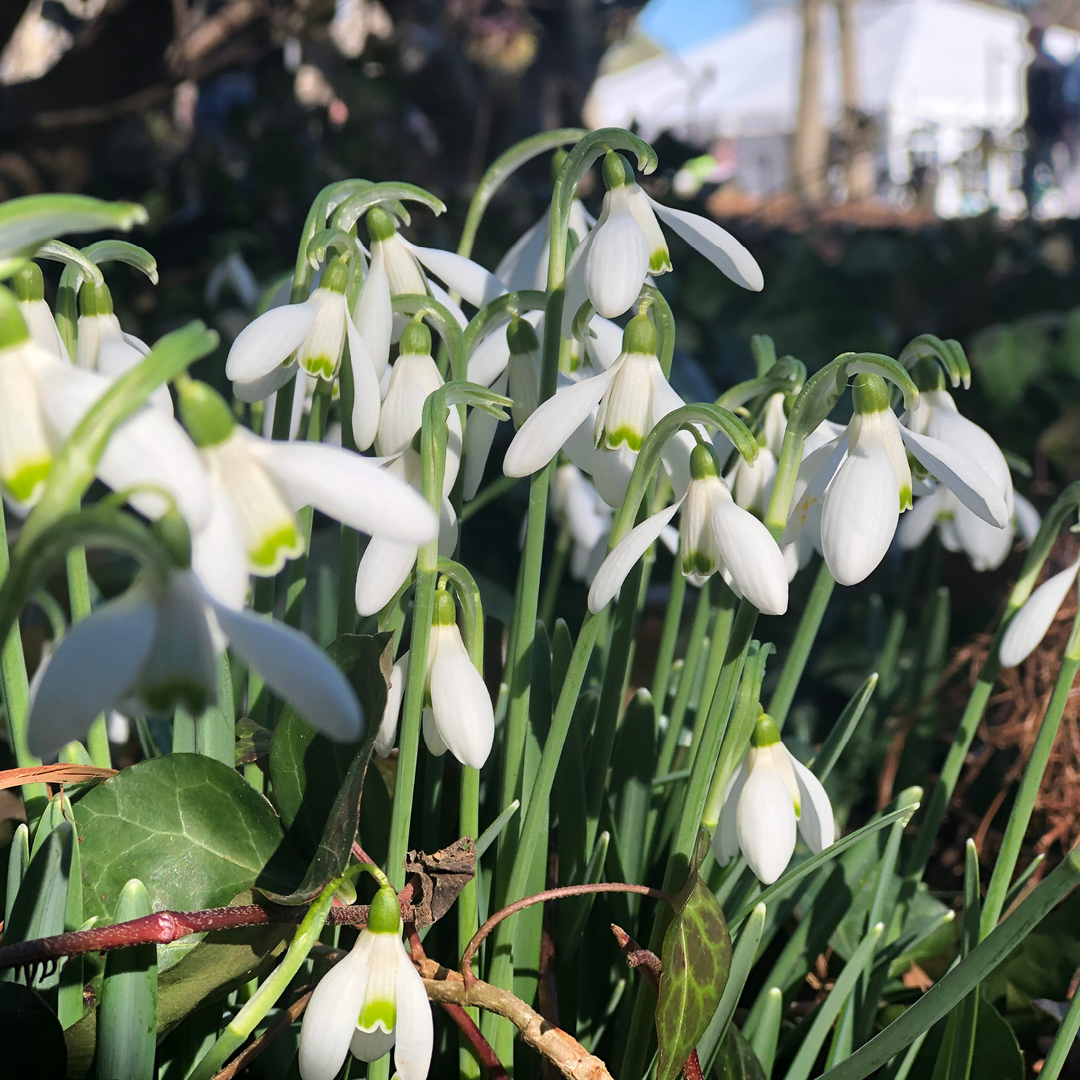
  • Perennials: Crocus, Hellebore, Snowdrop, Lungwort, Wild Blue Phlox

Delay Your Spring Cleanup

Sometimes the best way to help is to do nothing. Queens often hibernate beneath leaf litter and in shallow soil. To avoid disturbing them:

  • Wait to rake: Delay clearing leaves until temperatures remain consistently warm.
  • Avoid tilling: Do not dig deep in areas where bees were active last year.
  • Leave wild spaces: Keep small patches of brush and undisturbed soil.

Create Safe Nesting Sites

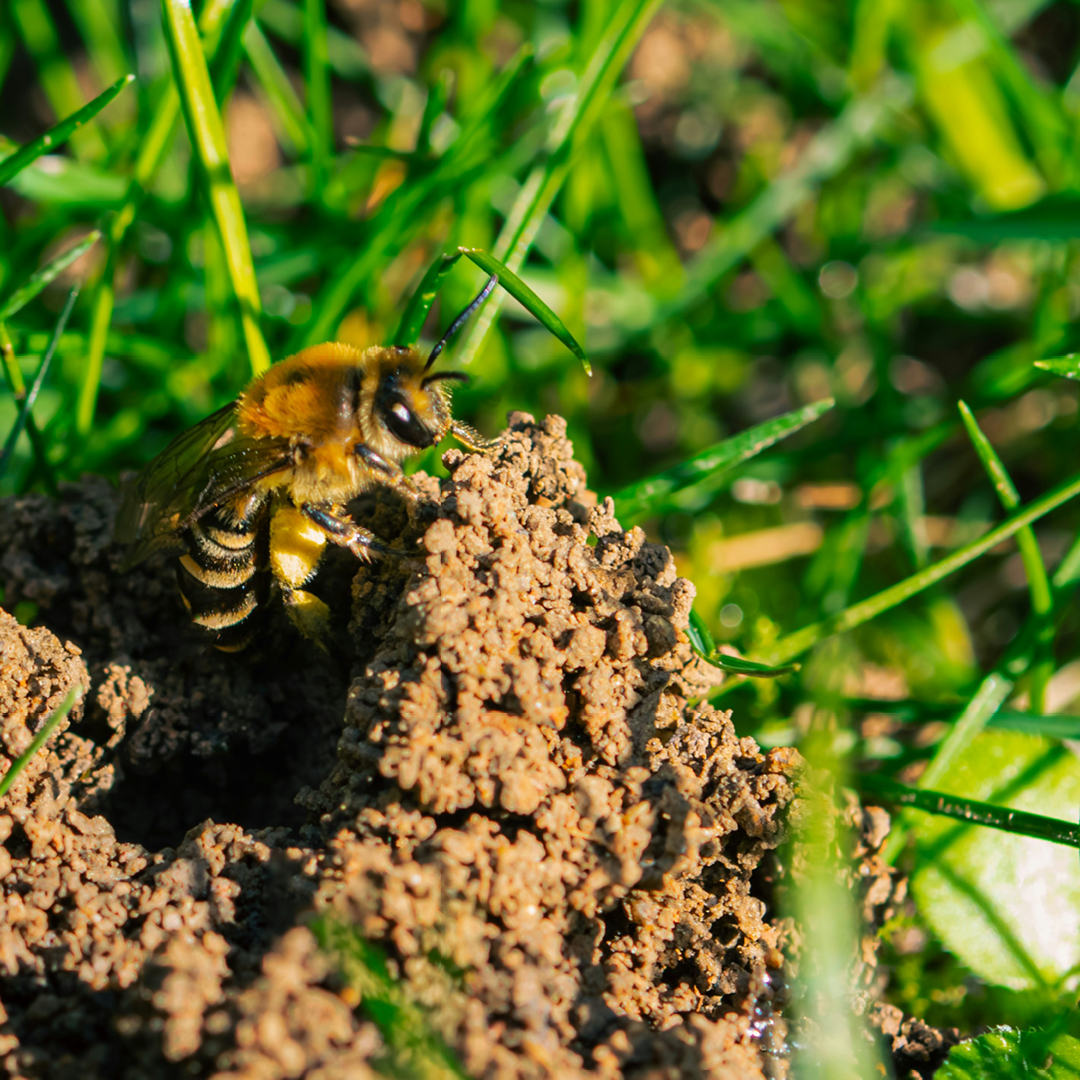
Bumblebees don’t use hives; they look for protected cavities. To encourage nesting in your garden, preserve natural features like:

  • Abandoned rodent burrows
  • Tall, clumping grasses
  • Brush piles and loose mulch

Avoid Harmful Chemicals

Early spring is the worst time for insecticides. Queens ingest chemicals from nectar, which can interfere with reproduction. Avoid systemic insecticides entirely and embrace a few “imperfect” plants—minor pest damage is a sign of a healthy, balanced ecosystem.

Provide a Water Source

Hydration is key for colony construction. Set out a shallow dish with marbles or pebbles to give the bees a safe place to land and drink without drowning.

Monitor and Adjust

Spotting a low-flying, large bee searching for a nest site is a great sign that your landscape is waking up. By supporting just one queen, you are helping to produce hundreds of future pollinators.

Ready to start planting? Visit Hilltop Nursery today, and we can guide you toward the best early bloomers for a bee-friendly landscape.

help queen bumblebees

help queen bumblebees

help queen bumblebees

Flood-Tolerant Native Plants

As spring arrives, many low-lying areas of the garden may experience temporary flooding from melting snow or heavy rain. Choosing the right native plants for these wet conditions can help your landscape thrive, prevent soil erosion, and support local wildlife. By selecting species that tolerate early spring flooding, you can create resilient, beautiful, and ecologically beneficial plantings.

Understanding Soil and Site Conditions

Flood tolerance depends not only on species but also on soil type and drainage. Loamy or sandy soils drain more quickly, while clay-heavy soils may stay saturated longer. If your site is prone to standing water, consider creating mounds, raised beds, or swales to help improve drainage and plant longevity. Evaluate microclimates—plants may respond differently depending on sun exposure, wind, and proximity to other landscape features.

Seasonal Care for Flood-Tolerant Plants

Early spring is an ideal time to prune, divide, or fertilize flood-tolerant native plants. Be mindful of soil compaction—avoid heavy foot traffic in saturated areas. Many wetland species are susceptible to fungal diseases, so ensure good air circulation and consider mulching with organic material that will break down naturally.

Companion Planting and Wildlife Benefits

Flood-tolerant natives often pair well with other species to create layered, resilient landscapes. Consider plants that attract pollinators, birds, and amphibians, or provide seeds and berries for wildlife. By mixing different growth forms—tall emergent plants with low-spreading groundcovers—you can improve biodiversity while stabilizing wet soil.

Design and Visual Interest

Even in wet areas, your garden can be visually appealing. Flood-tolerant natives offer varied textures, seasonal blooms, and contrasting foliage. Use taller plants as focal points, with shorter species around the edges to soften transitions. Ornamental grasses, rushes, and sedges provide movement and year-round structure, while flowering perennials add seasonal color.

Top Flood-Tolerant Native Plants for Early Spring

Here are some excellent options for areas that experience early spring flooding:

  • Swamp Milkweed (Asclepias incarnata) – Upright perennial, 3–5’ tall; spreads via rhizomes; attracts pollinators.
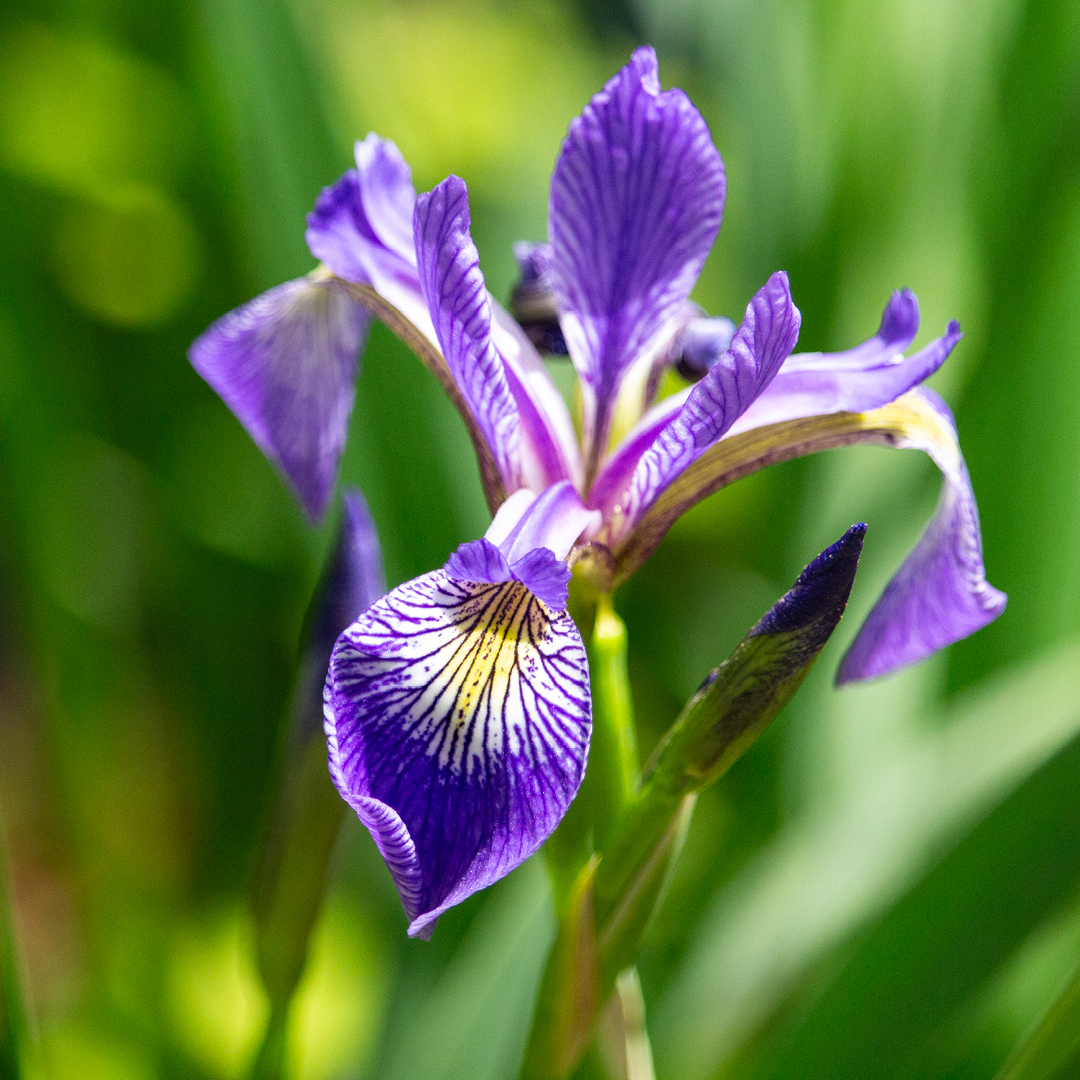
  • Blue Flag Iris (Iris versicolor) – Clumping perennial, 2–3’ tall; spreads slowly; blooms in early summer.
  • Cardinal Flower (Lobelia cardinalis) – Upright, 3–4’ tall; spreads gradually; vivid red flowers attract hummingbirds.
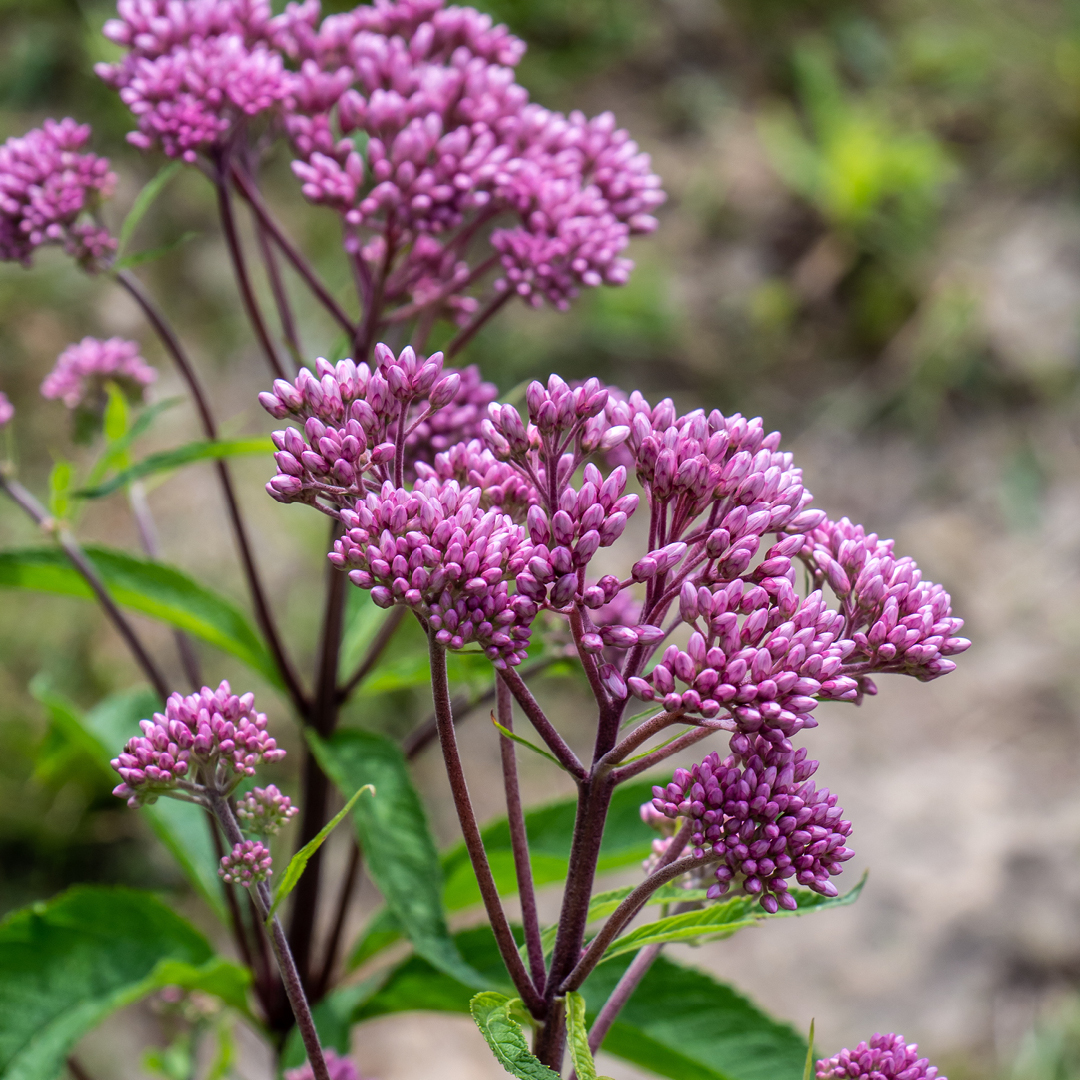
  • Joe-Pye Weed (Eutrochium purpureum) – Tall perennial, 4–7’ tall; sturdy stems; clusters of pinkish-purple flowers.
  • Sensitive Fern (Onoclea sensibilis) – Medium-height fern, 2–3’ tall; spreads via rhizomes; lush foliage tolerates wet soils.
  • Marsh Marigold (Caltha palustris) – Low perennial, 6–12” tall; forms spreading clumps; bright yellow spring blooms.
  • Red-osier Dogwood (Cornus sericea) – Shrub, 6–9’ tall; spreads by suckers; striking red stems in winter.
  • Winterberry (Ilex verticillata) – Shrub, 6–12’ tall; dioecious; produces bright berries for birds.
  • Virginia Bluebell (Mertensia virginica) – Low perennial, 12–18” tall; spreads slowly; delicate blue spring flowers.
  • Swamp White Oak (Quercus bicolor) – Tree, 50–60’ tall; tolerates wet soils; excellent for canopy and shade.

Maintenance and Long-Term Care

Flood-tolerant plants may self-seed or spread, which can be advantageous in meadows or riparian plantings. Keep an eye on aggressive spreaders and manage as needed. Mulching helps retain soil structure and nutrients, while periodic monitoring ensures plants remain healthy through wet-dry cycles.

Creating Functional Wet Areas

Incorporate flood-tolerant plants into stormwater gardens, rain gardens, or along streams and ponds to maximize ecological benefits. These plantings not only prevent erosion but also improve water quality and provide critical habitat for wildlife.

By selecting native plants that can endure early spring flooding, you create a resilient and beautiful garden that supports local ecosystems. With careful site planning, companion planting, and seasonal care, these species will thrive while enhancing your landscape’s visual and ecological value.

early spring flood-tolerant plants

early spring flood-tolerant plants

early spring flood-tolerant plants

Early Native Perennials That Shine

Top Early-Blooming Native Perennials for Your Pollinator Garden

As winter fades and the days grow longer, the first hungry pollinators emerge in search of nectar. Unfortunately, many landscapes are still waking up, leaving a critical food gap for early-season bees and hummingbirds.

At Hilltop Nursery, we believe in gardening with a purpose. By incorporating early-blooming native perennials, you can provide essential resources for local wildlife while adding a splash of color to your spring landscape. Here are seven of our favorite “early risers” to get your garden buzzing.

7 Essential Early Natives

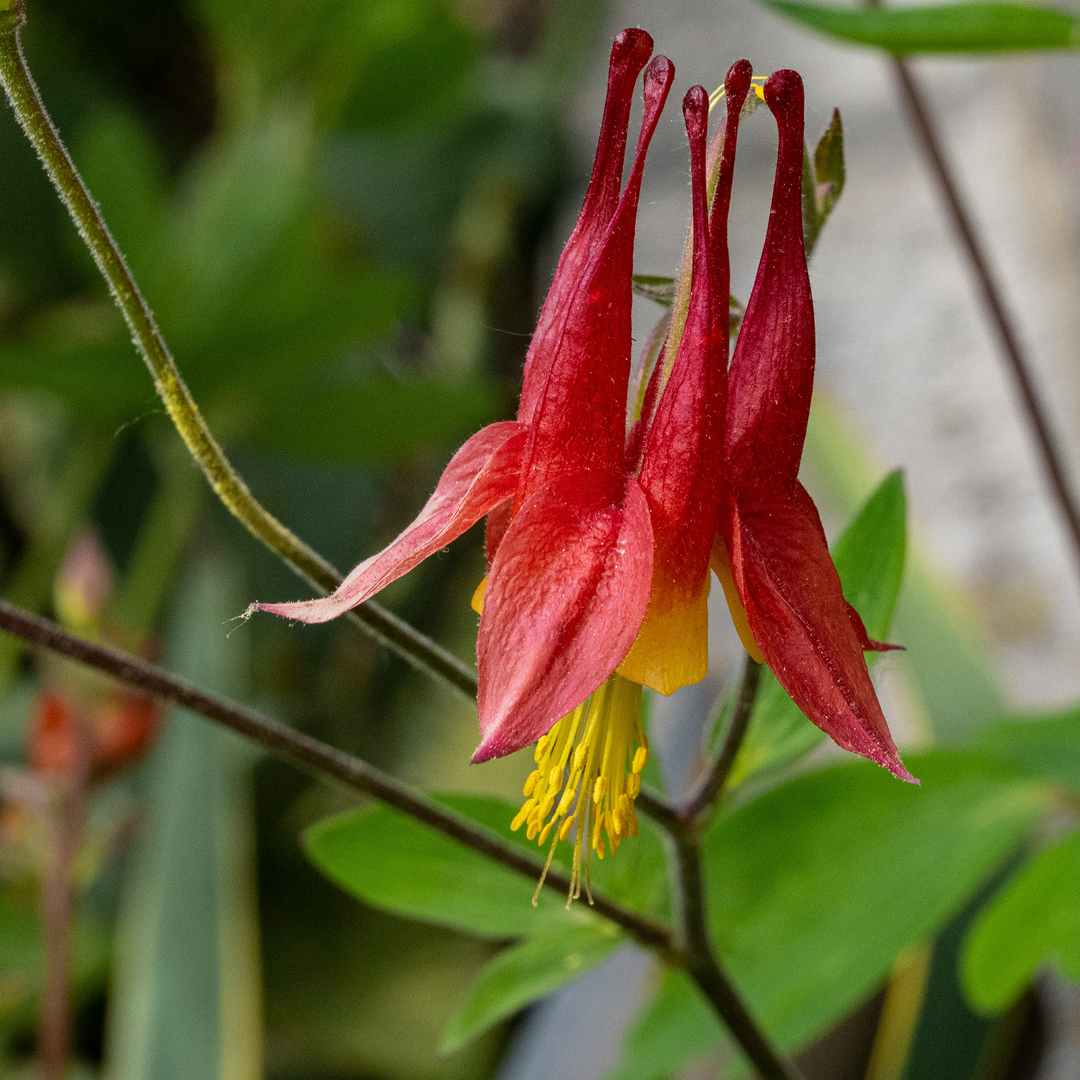
  • Wild Columbine (Aquilegia canadensis): Known for its nodding, lantern-like red and yellow blossoms, this woodland favorite is a magnet for returning hummingbirds. It thrives in part shade and blooms in late spring when few other sources are available.
  • Golden Alexander (Zizia aurea): This reliable perennial offers bright yellow umbels that attract small bees and wasps. It’s also a vital host plant for Black Swallowtail butterfly larvae, making it a dual-purpose powerhouse for your garden.
  • Virginia Bluebells (Mertensia virginica): A classic spring ephemeral, these stunning trumpet-shaped flowers transition from pink buds to brilliant blue blooms. They naturalize beautifully in moist, shaded areas, providing early nectar before fading back in summer.
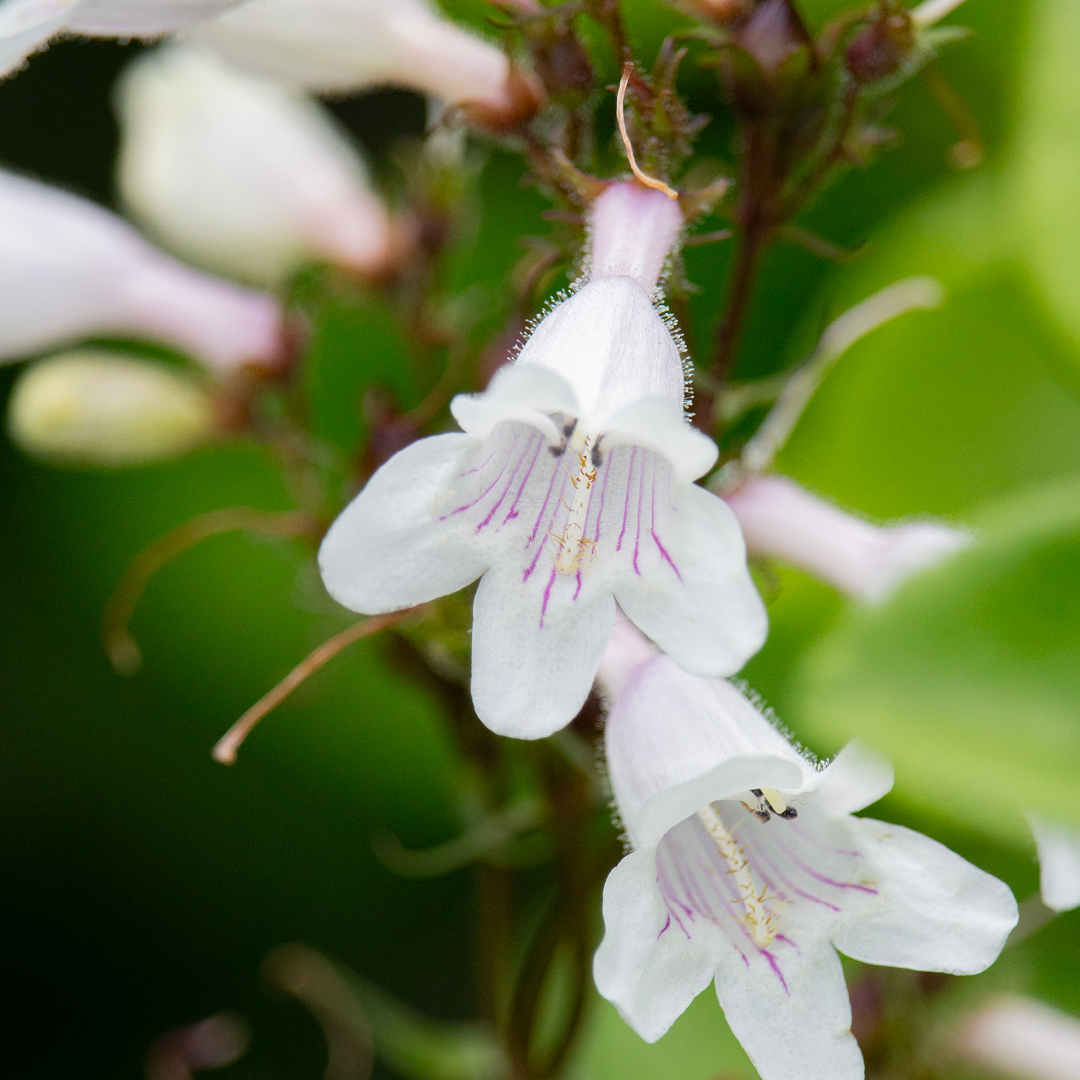
  • Foxglove Beardtongue (Penstemon digitalis): Adding upright structure to the garden, these white, tubular flowers are perfect for long-tongued bees. It’s highly adaptable, drought-tolerant, and supports specialist species like the Penstemon miner bee.
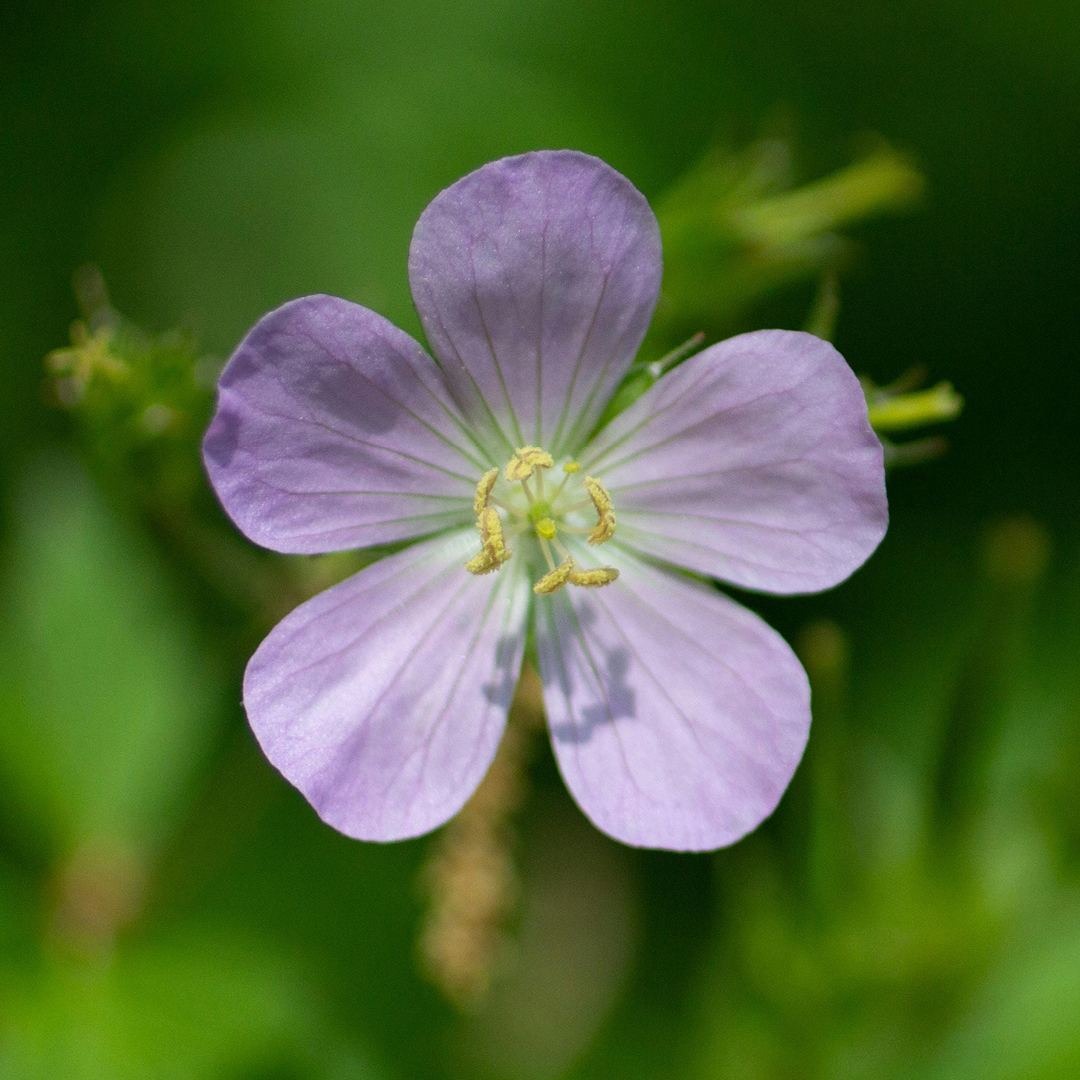
  • Wild Geranium (Geranium maculatum): One of the most reliable natives for shade, Wild Geranium produces soft lavender-pink blooms. It is an excellent nectar source for bumble bees and hoverflies in woodland settings.
  • Prairie Smoke (Geum triflorum): Famous for its pink, nodding flowers that turn into feathery seed plumes, this low-growing plant offers great texture. It provides early-season pollen for ground-nesting bees.
  • Foamflower (Tiarella cordifolia): With airy white flowers, Foamflower is an ideal ground cover for shady spots. It spreads gently and offers long-lasting blooms for hungry insects.

Design Tips for a Pollinator Haven

  • Plant in Drifts: Grouping at least 3–5 plants of the same species helps pollinators forage more efficiently than single, isolated plants.
  • Ensure Continuous Blooms: Pair these early bloomers with summer and fall favorites like Coneflower and Goldenrod to provide food all season long.
  • Leave the Leaves: Don’t be too tidy! Leaf litter and hollow stems provide essential nesting habitat for the insects you are trying to attract.

Start Your Season with Us!

Ready to transform your spring landscape into an ecological hub? Whether you are starting from scratch or filling in gaps, we are here to help. Visit Hilltop Nursery today to explore our selection of regionally appropriate native plants and get expert advice on the best species for your space.

early blooming native perennials

early blooming native perennials

early blooming native perennials